
In vitro RHE skin sensitization assays: Applicability to challenging substances
- TR Number: 882
- Keywords: EpiDerm (EPI-200), Interleukin-18 (IL-18)
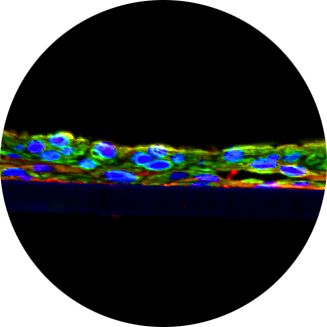
In the last 20 years, alternative approaches to the identification of skin sensitization hazards have been at the forefront of the 3Rs and have helped refine the validation and acceptance processes. However, experience with the local lymph node assay showed that, post-validation, challenges still occurred, particularly when a wider diversity of chemical substances was addressed, a situation which will arise with validated in vitro alternatives. In the present work, a range of substances potentially challenging to assess in current nonanimal OECD test guidelines were evaluated in several of the emerging in vitro alternatives. Twelve such substances (of which just over half were known skin sensitizers) were assessed in 4 assays, all based on reconstructed human epidermis (RHE) models. For hazard identification, the overall predictive accuracy ranged around 70% for three assays, although for one (SensCeeTox), it fell below 50% when human data was used as the benchmark. In most cases, sensitivity was high, such that sensitization was overpredicted. As the substances were challenging to assess in other nonanimal methods, the results indicate that the 3D RHE models may be a useful tool for assessing skin sensitization potentials without needing to revert to animal use.
Reference Application
- UV radiation
- Basic cutaneous research
- Epithelial restitution
- Microbial
- Pigmentation
- Transbuccal permeation/penetration
- Micronucleus Assay
- Skin aging
- Intestinal barrier
- Liver Toxicity
- Consumer products
- Biocompatibility
- Anti-aging
- Basic DC research
- Eye irritation
- Microbicide
- Pigmentation studies
- Oral mucosa
- microbiome
- Skin disease
- SARS-CoV-2
- Skin Toxicity
- Cytotoxicity
- reproducibility
- Skin hydration
- UV
- Genetic toxicology
- Microbicide testing
- Radiation
- Tumor invasion
- Probiotic
- Intestinal infection
- Skin re-epithelization
- Crohn's Disease
- Inflammatory response
- respiratory irritation
- UV toxicity
- Basic respiratory research
- Genomics
- STD infection
- Reproducibility - eye (ocular) tissue model
- UV light
- Irritation>Eye Irritation OECD TG 492
- Skin differentiation
- Barrier repair
- Inflamed Bowel Disease
- Visible Light
- pesticides
- Absorption
- Antimicrobial
- Buccal delivery
- Genotoxicity
- Mucosal delivery
- Reproducibility - skin tissue models
- UV protection
- Corneal Drug Delivery
- UV damage
- transporters
- Regulatory Approval
- Review Article
- LOAEL
- Drug delivery
- Infectious disease research
- Buccal drug delivery
- Pharmacotoxicology
- Nasal absorption
- Nanotechnology
- Aging
- Respiratory Disease
- Bacterial infection
- Pollution
- Mildness Testing
- Barrier Disruption
- UVB
- Irritation
- Infection
- Mucosal irritation
- Psoriasis
- Vaginal irritation
- Respiratory immunotoxicity
- Human-on-a-chip
- Atopic Dermatitis
- DNA Damage
- Colitis
- Drug ADME
- Hair Growth
- scalp health
- Permeation
- Infections
- Cosmetics
- Metabolism
- Mucous
- Respiratory infection
- Viral Infection
- Melanogenesis
- Antiviral
- Gastrointestinal Disease
- Hazard assessment
- Biomedical Devices
- artificial saliva
- Skin irritation
- Toxicity
- Cytokine analysis
- Immulogical research
- Nanoparticle toxicology/penetration
- Respiratory toxicology
- MMPs
- Intestinal Permeation
- Bacterial colonization
- Translational toxicology
- Dry skin
- drug skin compatibility
- bacterial adherence
- Allergenicity
- Antioxidants
- Drug absorption
- Immunologicaal research
- Toxicology
- Skin cancer
- Photoaging
- Electrolyzed Water
- Transbuccal drug delivery
- XtraMild skin mildness testing
- Skin moisturization
- Protein Expression
- PBPK Modeling
- Immunological Research
- Apoptosis
- Intestinal toxicity
- Microbicides
- Nanotoxicology
- Skin corrosion
- Skin Sensitization
- Fibrosis
- Oral Pathology
- bacterial vaginosis
- ADME
- Gastrointestinal Inflammation
- anti-wrinkling
- Immunogenicity
- Basic dermal research
- Respiratory research
- Immunotoxicity
- Ocular irritation
- Penetration
- Medical Devices
- Pulmonary Fibrosis
- Oral infection
- vaginal microbiome
- Microphysiological system
- Gastrointestinal Irritation
- Nicotine pouch products
- Inflammation
- Asthma
- Skin corrosion Absorption
- Mucosal
- Oral candidiasis
- Skin lightening
- Organ-on-a-Chip
- Oxidative Stress
- Oral inflammation
- Collagen Remodeling
- Hyperpigmentation
- Barrier Function
- intranasal drug delivery
- Microbial infection
- COPD
- Smoking
- Respiratory toxicity
- Oral irritation
- Skin
- Oral Disease Research
- Skin Damage
- Ocular toxicology
- Drug Screening
- Skin de-pigmentation
- Gastrointestinal Toxicity
- permeation enhancement
- Wound healing
- Smoke
- Tobacco
- Inhalation Toxicology
- Oral mucositis
- Smoker
- Space Research
- Skin Barrier
- Validation
- Nephrotoxicity
- Cancer Research
- Skin Brightening
- excipients
- Phototoxicity
- Research
- Drug development
- Nanoparticles
- Skin pigmentation
- Gingivitis
- Dry Eye
- Drug Metabolism
- Biofilm
- Hepatotoxicity
- Personalized Medicine
- Food Additives
- Sub-categorization
Reference Product
Ready to advance your science?
Our team is ready to provide a cost-free consultation to determine how we can help you reach your research and testing goals. Contact our team of experts today.