
Hypoxia leads to abnormal epidermal differentiation via HIF-independent pathways
- TR Number: 848
- Keywords: cytokeratin K1, cytokeratin K10, filaggrin, loricrin, reactive oxygen species scavenger, EpiDermFT
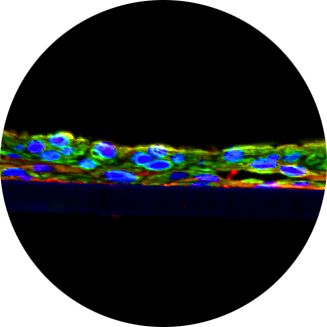
Atmospheric oxygen is important for the epidermis, as the skin epidermis is not greatly affected by blood circulation. Therefore, it is necessary to understand the effect of hypoxic signals on the epidermis as some environmental stimuli can induce skin hypoxia. Here, we investigated how hypoxia (1% O2) affected skin equivalents (SEs) and normal human epidermal keratinocytes. We found that hypoxia specifically decreased the protein levels of keratin 1 (K1)/keratin 10 (K10), a representative marker of the epidermal spinous layer in the epidermis. However, hypoxia-inducible factors, the major regulators of hypoxia, did not affect hypoxia-induced down-regulation of K1/K10. We also found that N-acetyl-Lcysteine (NAC), a reactive oxygen species scavenger, antagonized the hypoxia-induced reduction of K1/K10 in keratinocytes and SEs. In contrast to the findings for NAC, inhibitors that blocked reactive oxygen species generation did not cause recovery of K1/K10 protein levels under hypoxic conditions. Taken together, these results indicate that hypoxia leads to abnormal keratinocyte differentiation by down-regulating K1/K10 and that this phenomenon can be ameliorated by NAC.
Reference Application
- Consumer products
- Biocompatibility
- UV radiation
- Basic cutaneous research
- Epithelial restitution
- Microbial
- Pigmentation
- Transbuccal permeation/penetration
- Micronucleus Assay
- Skin aging
- Intestinal barrier
- Liver Toxicity
- Cytotoxicity
- reproducibility
- Anti-aging
- Basic DC research
- Eye irritation
- Microbicide
- Pigmentation studies
- Oral mucosa
- microbiome
- Skin disease
- SARS-CoV-2
- Skin Toxicity
- Inflammatory response
- respiratory irritation
- Skin hydration
- UV
- Genetic toxicology
- Microbicide testing
- Radiation
- Tumor invasion
- Probiotic
- Intestinal infection
- Skin re-epithelization
- Crohn's Disease
- Visible Light
- pesticides
- UV toxicity
- Basic respiratory research
- Genomics
- STD infection
- Reproducibility - eye (ocular) tissue model
- UV light
- Irritation>Eye Irritation OECD TG 492
- Skin differentiation
- Barrier repair
- Inflamed Bowel Disease
- Review Article
- LOAEL
- Absorption
- Antimicrobial
- Buccal delivery
- Genotoxicity
- Mucosal delivery
- Reproducibility - skin tissue models
- UV protection
- Corneal Drug Delivery
- UV damage
- transporters
- Regulatory Approval
- Barrier Disruption
- UVB
- Drug delivery
- Infectious disease research
- Buccal drug delivery
- Pharmacotoxicology
- Nasal absorption
- Nanotechnology
- Aging
- Respiratory Disease
- Bacterial infection
- Pollution
- Mildness Testing
- Hair Growth
- scalp health
- Irritation
- Infection
- Mucosal irritation
- Psoriasis
- Vaginal irritation
- Respiratory immunotoxicity
- Human-on-a-chip
- Atopic Dermatitis
- DNA Damage
- Colitis
- Drug ADME
- Biomedical Devices
- artificial saliva
- Permeation
- Infections
- Cosmetics
- Metabolism
- Mucous
- Respiratory infection
- Viral Infection
- Melanogenesis
- Antiviral
- Gastrointestinal Disease
- Hazard assessment
- drug skin compatibility
- bacterial adherence
- Skin irritation
- Toxicity
- Cytokine analysis
- Immulogical research
- Nanoparticle toxicology/penetration
- Respiratory toxicology
- MMPs
- Intestinal Permeation
- Bacterial colonization
- Translational toxicology
- Dry skin
- Protein Expression
- PBPK Modeling
- Allergenicity
- Antioxidants
- Drug absorption
- Immunologicaal research
- Toxicology
- Skin cancer
- Photoaging
- Electrolyzed Water
- Transbuccal drug delivery
- XtraMild skin mildness testing
- Skin moisturization
- Gastrointestinal Inflammation
- anti-wrinkling
- Immunological Research
- Apoptosis
- Intestinal toxicity
- Microbicides
- Nanotoxicology
- Skin corrosion
- Skin Sensitization
- Fibrosis
- Oral Pathology
- bacterial vaginosis
- ADME
- Gastrointestinal Irritation
- Nicotine pouch products
- Immunogenicity
- Basic dermal research
- Respiratory research
- Immunotoxicity
- Ocular irritation
- Penetration
- Medical Devices
- Pulmonary Fibrosis
- Oral infection
- vaginal microbiome
- Microphysiological system
- Barrier Function
- intranasal drug delivery
- Inflammation
- Asthma
- Skin corrosion Absorption
- Mucosal
- Oral candidiasis
- Skin lightening
- Organ-on-a-Chip
- Oxidative Stress
- Oral inflammation
- Collagen Remodeling
- Hyperpigmentation
- Gastrointestinal Toxicity
- permeation enhancement
- Microbial infection
- COPD
- Smoking
- Respiratory toxicity
- Oral irritation
- Skin
- Oral Disease Research
- Skin Damage
- Ocular toxicology
- Drug Screening
- Skin de-pigmentation
- Skin Brightening
- excipients
- Wound healing
- Smoke
- Tobacco
- Inhalation Toxicology
- Oral mucositis
- Smoker
- Space Research
- Skin Barrier
- Validation
- Nephrotoxicity
- Cancer Research
- Food Additives
- Sub-categorization
- Phototoxicity
- Research
- Drug development
- Nanoparticles
- Skin pigmentation
- Gingivitis
- Dry Eye
- Drug Metabolism
- Biofilm
- Hepatotoxicity
- Personalized Medicine
Reference Product
Ready to advance your science?
Our team is ready to provide a cost-free consultation to determine how we can help you reach your research and testing goals. Contact our team of experts today.