
Evaluation of phototoxicity of tattoo pigments using the 3 T3 neutral red uptake phototoxicity test and a 3D human reconstructed skin model
- TR Number: 897
- Keywords: phototoxicity, tattoo pigments, 3T3 neutral red uptake, EpiDerm, UVA
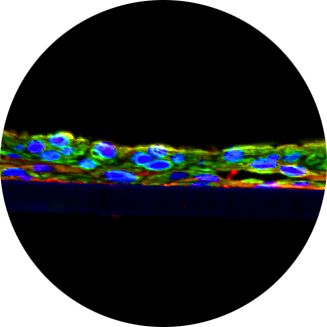
Phototoxicity due to dermally impregnated compounds exposed to ultraviolet radiation is associated with skin inflammation. The phototoxicity potential of active substances applied to the skin should be evaluated. Pigments are widely used for tattoos, and hypersensitivity reactions, such as photoallergic dermatitis, are possible tattoo related complications. However, the phototoxicity of these chemicals is not well known. In this study, we evaluated the phototoxicity potential of six tattoo pigments, cadmium sulfide, carbazole, cadmium selenide, mercury (II) sulfide, chromium oxide, and cobalt aluminate, using in vitro methods—3 T3 neutral red uptake (NRU) phototoxicity test (PT) and a 3D human reconstructed skin model (EpiDerm). The validated 3 T3 NRU PT indicated the phototoxicity potential of carbazole and cadmium sulfide. The 3D human skin model confirmed that only carbazole was phototoxic. The 3 T3 NRU PT data corresponded well with those from the 3D skin model and suggested the need to employ several test systems for final phototoxicity assessment. In addition to the results obtained using 3 T3 NRU PT, further testing on 3D skin models may better reflect the bioavailability of a given chemical in the skin.
Reference Application
- UV radiation
- Basic cutaneous research
- Epithelial restitution
- Microbial
- Pigmentation
- Transbuccal permeation/penetration
- Micronucleus Assay
- Skin aging
- Intestinal barrier
- Liver Toxicity
- Consumer products
- Biocompatibility
- Anti-aging
- Basic DC research
- Eye irritation
- Microbicide
- Pigmentation studies
- Oral mucosa
- microbiome
- Skin disease
- SARS-CoV-2
- Skin Toxicity
- Cytotoxicity
- reproducibility
- Skin hydration
- UV
- Genetic toxicology
- Microbicide testing
- Radiation
- Tumor invasion
- Probiotic
- Intestinal infection
- Skin re-epithelization
- Crohn's Disease
- Inflammatory response
- respiratory irritation
- UV toxicity
- Basic respiratory research
- Genomics
- STD infection
- Reproducibility - eye (ocular) tissue model
- UV light
- Irritation>Eye Irritation OECD TG 492
- Skin differentiation
- Barrier repair
- Inflamed Bowel Disease
- Visible Light
- pesticides
- Absorption
- Antimicrobial
- Buccal delivery
- Genotoxicity
- Mucosal delivery
- Reproducibility - skin tissue models
- UV protection
- Corneal Drug Delivery
- UV damage
- transporters
- Regulatory Approval
- Review Article
- LOAEL
- Drug delivery
- Infectious disease research
- Buccal drug delivery
- Pharmacotoxicology
- Nasal absorption
- Nanotechnology
- Aging
- Respiratory Disease
- Bacterial infection
- Pollution
- Mildness Testing
- Barrier Disruption
- UVB
- Irritation
- Infection
- Mucosal irritation
- Psoriasis
- Vaginal irritation
- Respiratory immunotoxicity
- Human-on-a-chip
- Atopic Dermatitis
- DNA Damage
- Colitis
- Drug ADME
- Hair Growth
- scalp health
- Permeation
- Infections
- Cosmetics
- Metabolism
- Mucous
- Respiratory infection
- Viral Infection
- Melanogenesis
- Antiviral
- Gastrointestinal Disease
- Hazard assessment
- Biomedical Devices
- artificial saliva
- Skin irritation
- Toxicity
- Cytokine analysis
- Immulogical research
- Nanoparticle toxicology/penetration
- Respiratory toxicology
- MMPs
- Intestinal Permeation
- Bacterial colonization
- Translational toxicology
- Dry skin
- drug skin compatibility
- bacterial adherence
- Allergenicity
- Antioxidants
- Drug absorption
- Immunologicaal research
- Toxicology
- Skin cancer
- Photoaging
- Electrolyzed Water
- Transbuccal drug delivery
- XtraMild skin mildness testing
- Skin moisturization
- Protein Expression
- PBPK Modeling
- Immunological Research
- Apoptosis
- Intestinal toxicity
- Microbicides
- Nanotoxicology
- Skin corrosion
- Skin Sensitization
- Fibrosis
- Oral Pathology
- bacterial vaginosis
- ADME
- Gastrointestinal Inflammation
- anti-wrinkling
- Immunogenicity
- Basic dermal research
- Respiratory research
- Immunotoxicity
- Ocular irritation
- Penetration
- Medical Devices
- Pulmonary Fibrosis
- Oral infection
- vaginal microbiome
- Microphysiological system
- Gastrointestinal Irritation
- Nicotine pouch products
- Inflammation
- Asthma
- Skin corrosion Absorption
- Mucosal
- Oral candidiasis
- Skin lightening
- Organ-on-a-Chip
- Oxidative Stress
- Oral inflammation
- Collagen Remodeling
- Hyperpigmentation
- Barrier Function
- intranasal drug delivery
- Microbial infection
- COPD
- Smoking
- Respiratory toxicity
- Oral irritation
- Skin
- Oral Disease Research
- Skin Damage
- Ocular toxicology
- Drug Screening
- Skin de-pigmentation
- Gastrointestinal Toxicity
- permeation enhancement
- Wound healing
- Smoke
- Tobacco
- Inhalation Toxicology
- Oral mucositis
- Smoker
- Space Research
- Skin Barrier
- Validation
- Nephrotoxicity
- Cancer Research
- Skin Brightening
- excipients
- Phototoxicity
- Research
- Drug development
- Nanoparticles
- Skin pigmentation
- Gingivitis
- Dry Eye
- Drug Metabolism
- Biofilm
- Hepatotoxicity
- Personalized Medicine
- Food Additives
- Sub-categorization
Reference Product
Ready to advance your science?
Our team is ready to provide a cost-free consultation to determine how we can help you reach your research and testing goals. Contact our team of experts today.