
Mattek to Present at ASN Kidney Week 2026
Mattek’s Head of R&D, Seyoum Ayehunie, Ph.D., will be presenting a new poster at the ASN 2026 Kidney Week Conference.
Abstract:
Title: Novel 3D human kidney proximal tubular epithelial tissue model for in vitro drug screening
Authors: Seyoum Ayehunie, Joseph Finelli, Martha Mayo, Justin Boyd, Neale Dylan, Mitchell Klausner, and Alex Armento
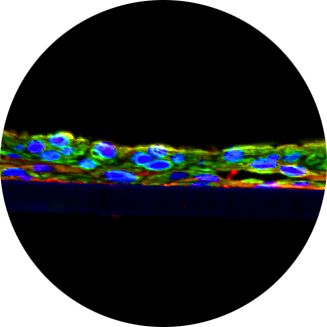
The renal proximal tubular (PT) region is the most common site of compound-specific kidney injury. This region performs essential renal functions, including the reabsorption of low-molecular-weight proteins, solutes, and glucose; secretion of acids; and clearance of administered medications. The goal of this study is to evaluate a human 3D organotypic kidney tissue model for predicting drug-induced nephrotoxicity. Human primary proximal tubular epithelial cells (HPTEC) were isolated and expanded in culture prior to seeding onto microporous membrane inserts to reconstruct a 3D kidney model. Tissues were characterized by histology, barrier integrity (transepithelial electrical resistance, TEER), immunohistochemistry, and qPCR. The HPTEC organotypic tissues showed characteristic tubular structures, developed functional barrier properties with TEER values reaching 90 Ω·cm² by day 12, and stained positive for tight junction proteins ZO-1, claudin-1, and occludin. The differentiated tissue model expressed brush border proteins megalin, villin, and GGT1, along with the water channel AQP1 on the apical surface and the sodium-potassium ATPase pump on the basolateral side. qPCR analysis confirmed the expression of a comprehensive panel of HPTEC-specific markers, influx and efflux transporters, and drug-metabolizing enzymes necessary for renal drug clearance, secretion, and reabsorption. After confirming organ-like functionality, acute toxicity studies were performed using seven model drugs at 8 concentrations each. Acute exposure to clinically relevant BMS-986094 (INX-0891), anti-hepatitis C drug that was discontinued during clinical trials due to severe kidney and heart toxicity, resulted in reduced TEER, MTT, and increased LDH release in a concentration-dependent manner. These findings indicate drug-induced kidney injury (DIKI) can be modeled and demonstrate the model’s predictive relevance to human responses. A positive control compound Cisplatin and the antifungal medication amphotericin B also decreased TEER and tissue viability while increasing LDH release. In contrast, no adverse effects were noted with the negative control acarbose. EC50 values were calculated in real time using Incucyte image analyzer. In summary, the in vitro 3D kidney tissue closely resembles the in vivo human PT region in morphology, barrier function, gene expression, and overall tissue performance. This primary-cell-derived kidney model can be: 1) maintained in culture for extended periods (28 days) and 2) used for screening drug candidates during development and for mechanistic studies of investigational therapeutics. Such a model aligns well with FDA Modernization Act 3.0 guidelines and represents an important advancement in new approach methodologies (NAMs) aimed at identifying adverse renal effects of therapeutic candidates while reducing animal experimentation.
Date: Saturday, October 24, 2026
Time: 10:00 AM – 12:00 PM
Location: Exhibit Hall A

Seyoum Ayehunie, Ph.D.
Head of R&D Mattek