1938
The United States Food, Drug & Cosmetic Act is signed into law, requiring some safety substantiation of cosmetic products. This compels companies to begin testing their products on animals.

Human Tissue Models
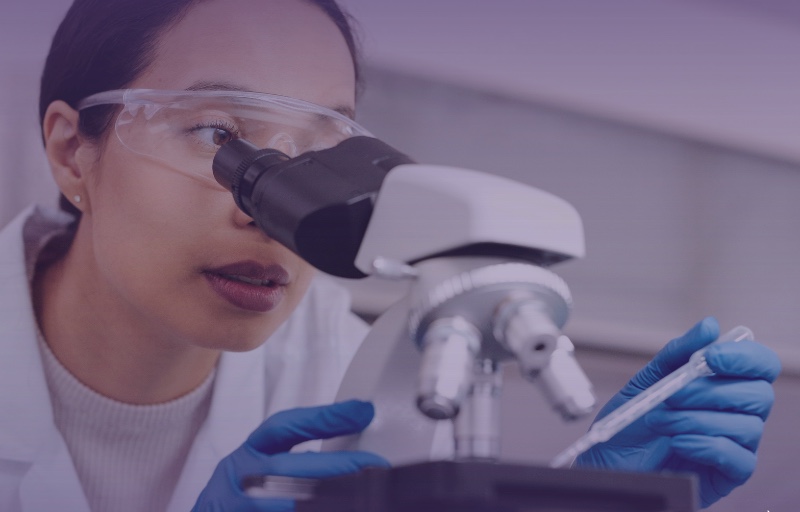
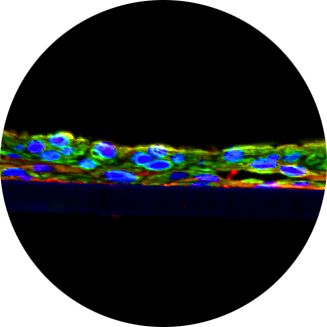
Mattek’s lab-grown human epithelial tissues are living, metabolically active 3D tissue models that provide greater insight into clinical outcomes.
The United States Food, Drug & Cosmetic Act is signed into law, requiring some safety substantiation of cosmetic products. This compels companies to begin testing their products on animals.
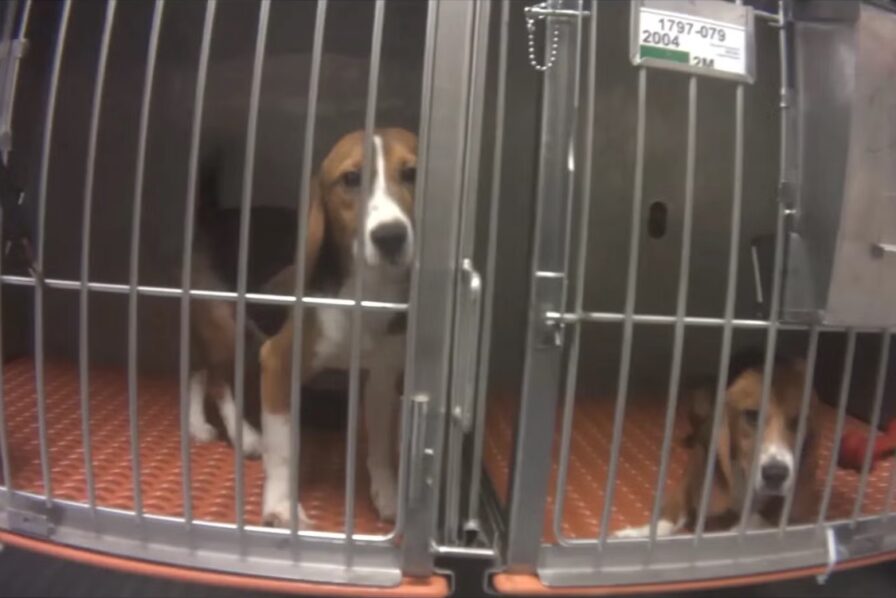
Draize Irritancy Tests, which require directly exposing animals’ eyes and skin to chemicals, are developed. Considered for decades to be the gold standard for cosmetic safety assessments, these tests cause extensive animal suffering.
The European Centre for the Validation of Alternative Methods is established to oversee the development and acceptance of alternative test methods that reduce, refine and replace the use of animals.
Animal protection groups band together to form the Coalition for Consumer Information on Cosmetics. The coalition manages the Leaping Bunny cruelty-free certification program in the United States and Canada.
The European Union officially bans the testing of cosmetics ingredients on animals.
The Organization for Economic Cooperation and Development (OECD) approves non-animal test methods.
| 2006 | Skin Corrosivity |
| 2009 | Eye Irritation |
| 2010 | Skin Irritation |
APRIL
FDA Modernization Act introduced in US House of Representatives
JUNE
Skin Allergy and Phototoxicity
OECD Approval
DECEMBER
The federal Humane Cosmetics Act, legislation to prohibit cosmetics animal testing and the sale of animal-tested cosmetics, is reintroduced in the U.S.
DECEMBER
The FDA Modernization Act 2.0 was passed and signed into law by President Biden. This bill, H.R. 2565 / S.2952, allows pharmaceutical scientists to develop new products using non-animal models including cell-based assays, organ chips and micro physiological systems, sophisticated computer modeling, and other human biology-based test methods.
Click around the map to see if your home state has banned the sale of animal-tested cosmetics.
Don’t forget to check back and watch the map continue to grow blue!

Research
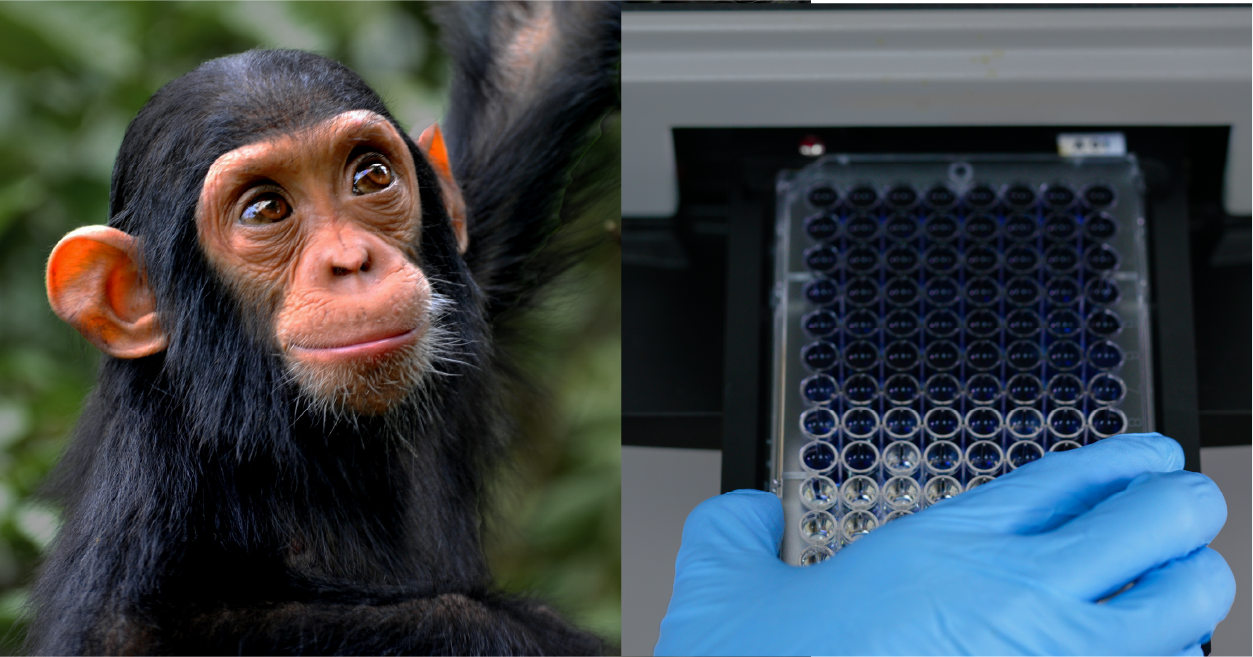
More than 90% of research, often involving animals fails to lead to human treatments.

Trial
95% of new drugs fail in human clinical trials

Spending
The NIH spends approximately $19 billion annually on experiments using animals, nearly half its budget.

The SPARK Pledge is a commitment to replace the use of ineffective and harmful animal experimentation in toxicity and safety testing with more modern, effective solutions. The SPARK Pledge was created to build a cross-sector of companies, organizations, and individuals working together to drive a more sustainable, humane, and scientifically superior process of ensuring the safety of chemicals, pharmaceuticals, and other products. The Pledge is co-sponsored by the Center for Contemporary Sciences (CCS), Mattek, the Lush Prize, and the BICO Group.

Good Clean Love is advocating for the use of a 3D human tissue model developed by Mattek as a more relevant alternative to testing women’s personal care products than animals.
“There are currently so many problems with women’s healthcare products. Partly, because they depend on archaic animal testing to approve new products. A lot of research shows that animal testing results do not provide an accurate reflection of safety.”
Wendy Strgar, CEO at Good Clean Love