
Register Now for Our Webinar ‘Non-Animal Methods to Assess Skin Sensitization: Use of the Epi2SensA™ Assay’
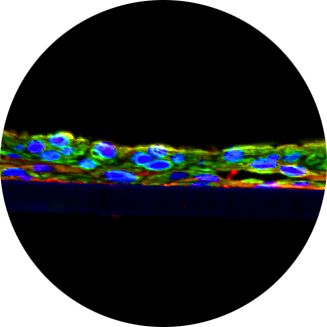
Mattek’s EpiDerm human tissue model has been driving human-relevant methods to replace animal testing in several OECD test guidelines for skin irritation, corrosion, and phototoxicty. Skin sensitization is another endpoint required by regulators and governing bodies around the world. This year, Mattek’s Epi2SensA Method was included in the updated version of the OECD TG 442D allowing EpiDerm to play a pivotal role in your skin sensitization strategy.
In this webinar, our presenters will introduce Mattek’s Epi2SensA method and cover topics such as:
- Understanding how Epi2SensA fits into a NAMs skin sensitization / product screening workflow
- How an Epi2SensA test can advance your research
We will host a Q&A session at the conclusion of the presentation, and the webinar will be recorded and available online. Links for the recording and all companion material will be automatically provided to all registrants, regardless of live attendance.
Register here
Presenter:
 Christian Pellevoisin is a European Registered Toxicologist (ERT) with a PhD in neuroscience. He is Scientific Director at Mattek and consultant in NAMs for toxicology and efficacy to meet regulatory requirements. Over the last 20 years, he worked on the development, validation and application of alternative in vitro methods to animal testing. During his career as Scientific Director at L’Oréal R&I, Episkin and Mattek, he participated in projects leading to the introduction of in vitro models and methods for the evaluation of product safety and efficacy in various industries, including cosmetics, medical devices and drugs.
As chairman of the French AFNOR commission for biocompatibility of medical devices and convenor of ISO/TC-194 working group 8, he participated in and directed projects leading to the publication of ISO standards for skin irritation and sensitization (ISO 10993-10, ISO 10993-23, ISO 11796). He served as an expert on NAMs and microphysiological systems (MPS) in the ISO/TC 276 Biotechnology and is also member of the OECD expert groups on skin sensitization and on define approaches for developing the OECD guidelines.
Strongly committed to the recognition of alternative methods to animal testing, he is engaged in education programs and co‑directs the ‘Predictive Toxicology and Tissue Engineering’ track in the biotechnology master’s program at Sorbonne University. He is the author and co-author of several scientific publications and book chapters on in vitro methods for safety and efficacy testing.